
Best Time to Visit the Maasai Mara

Discover the optimal seasons for witnessing the Great Migration and experiencing Africa's greatest wildlife spectacle
📅 January 15, 2026 ✍️ By Kraftsnest Safaris Team 📍 Safari Guide

The Maasai Mara National Reserve is one of Africa's most iconic safari destinations, and choosing the right time to visit can make all the difference to your experience. Here's our comprehensive guide to the best seasons for visiting the Mara.

The Great Migration (July – October)

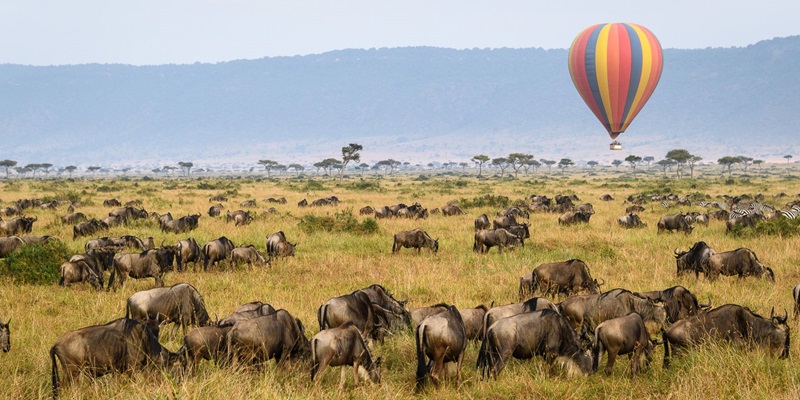
This is the Mara's most spectacular season. The wildebeest migration arrives from the Serengeti, and river crossings at the Mara River offer dramatic wildlife viewing. Predator activity is at its peak with lions, cheetahs, and leopards in abundance.

High season rates apply, and lodges book up months in advance. The weather is dry and sunny – ideal for game drives. We recommend booking at least 4–6 months ahead for this period.

Green Season (November – May)

The landscape transforms into a lush green paradise. Bird watching is exceptional with migratory species present. Rates are lower, and the reserve is less crowded.

Short rains come in November–December, and long rains in March–May. Afternoon showers are common but usually don't disrupt game drives. This is a fantastic time for photographers seeking dramatic skies and vibrant scenery.

Calving Season (January – February)

Wildebeest calve in the southern Serengeti, attracting predators. The grass is shorter in some areas, making wildlife easier to spot. Weather is generally hot with occasional showers.

Our Recommendation

For first-time visitors, July through October offers the most dramatic wildlife experiences. For budget-conscious travelers and photographers, the green season months of November and January provide excellent value and stunning scenery.

Planning a trip to the Maasai Mara? Contact our team for personalized advice and the best rates on Mara safaris.

← Back to Blog Book Your Safari

Essential Kenya Travel Guide 2026

Everything you need to know before your trip to Kenya

📅 December 28, 2025 ✍️ By Kraftsnest Safaris Team 📍 Travel Tips

Kenya is one of Africa's most rewarding travel destinations. Whether you're coming for the wildlife, the beaches, or the culture, this guide covers everything you need to plan a smooth and memorable trip.

Visas & Entry

Most nationalities can obtain an East Africa Tourist Visa on arrival or apply online via the eCitizen portal. The visa covers Kenya, Uganda, and Rwanda. Ensure your passport is valid for at least 6 months beyond your travel dates.

Vaccinations & Health

Yellow fever vaccination is required if arriving from a yellow fever endemic country. Malaria prophylaxis is strongly recommended. Carry a basic medical kit and ensure you have comprehensive travel insurance.

Currency & Payments

The Kenyan Shilling (KES) is the local currency. M-Pesa mobile money is widely used. Major hotels and lodges accept credit cards, but carry cash for markets and smaller establishments.

Best Time to Visit

Kenya can be visited year-round. The dry seasons (January–February and June–October) are best for wildlife viewing. The coast is ideal from October–March when the weather is warm and dry.

Need help planning your Kenya trip? Get in touch with our team for a personalised itinerary.

← Back to Blog Plan Your Trip

Top 5 Beach Destinations in Kenya

From Diani to Watamu, Kenya's coast has something for every traveller

📅 December 10, 2025 ✍️ By Kraftsnest Safaris Team Beach & Coast

Kenya's Indian Ocean coastline stretches over 500 km and is home to some of Africa's most beautiful beaches. Here are our top five picks for your next coastal escape.

1. Diani Beach

Consistently rated one of Africa's best beaches, Diani boasts powdery white sand, turquoise waters, and a vibrant coral reef. Perfect for snorkelling, diving, and water sports. Luxury resorts line the shore offering world-class hospitality.

2. Watamu

A UNESCO Biosphere Reserve, Watamu is famous for its marine park, turtle conservation programme, and pristine beaches. Ideal for snorkelling, deep-sea fishing, and dolphin watching.

3. Malindi

One of Kenya's oldest coastal towns, Malindi blends Italian flair with Swahili culture. Visit the marine park, explore the old town, and enjoy fresh seafood at beachside restaurants.

4. Lamu Island

A UNESCO World Heritage Site, Lamu is a car-free island with donkeys as the main transport. The old stone town, dhow sailing, and pristine Shela Beach make it a unique and unforgettable destination.

5. Mombasa

Kenya's second city offers a rich blend of history, culture, and beach life. Explore Fort Jesus, the Old Town, and the beautiful north and south coast beaches just a short drive away.

Ready for a beach holiday? View our Diani Beach package or contact us for a custom coastal itinerary.

← Back to Blog Book a Beach Holiday

Ultimate Safari Packing List

Everything you need for a comfortable and memorable African safari

📅 November 20, 2025 ✍️ By Kraftsnest Safaris Team 🎒 Packing Guide

Packing for a safari requires careful thought. You want to be comfortable in the bush while keeping luggage light for small aircraft transfers. Here's our definitive packing list.

Clothing

Pack neutral-coloured clothing (khaki, olive, beige) – avoid bright colours and white. Lightweight long-sleeved shirts and trousers protect against sun and insects. A warm fleece or jacket is essential for early morning game drives. Comfortable walking shoes and sandals round out your wardrobe.

Camera & Electronics

A DSLR or mirrorless camera with a telephoto lens (200–400mm) is ideal for wildlife photography. Bring extra batteries, memory cards, and a dust-proof bag. A power bank is useful for charging on the go.

Health & Toiletries

Pack high-SPF sunscreen, insect repellent (DEET-based), lip balm, and hand sanitiser. Bring any prescription medications plus a basic first-aid kit. Anti-malaria tablets should be started before departure as advised by your doctor.

Documents & Essentials

Passport, visa, travel insurance documents, and vaccination certificate (yellow fever if required). Keep digital copies stored securely in the cloud. A small amount of USD cash is useful for tips and park fees.

Our team provides a detailed pre-departure packing guide with every booking. Contact us to start planning your safari.

← Back to Blog Book Your Safari

Exploring Amboseli: Land of Giants

A complete guide to Amboseli National Park – Kenya's elephant paradise

📅 November 5, 2025 ✍️ By Kraftsnest Safaris Team 🐘 Destination Guide

Amboseli National Park is one of Kenya's most visited parks, and for good reason. Set against the dramatic backdrop of Mount Kilimanjaro, Africa's highest peak, Amboseli is home to some of the largest elephant herds on the continent.

The Elephants of Amboseli

Amboseli is famous for its large-tusked elephants. The park's elephant families have been studied for over 50 years, making them remarkably relaxed around vehicles. Watching a herd of 50+ elephants move across the plains with Kilimanjaro in the background is a truly unforgettable sight.

Other Wildlife

Beyond elephants, Amboseli hosts lions, cheetahs, hyenas, zebras, wildebeest, and over 400 bird species. The swamps fed by Kilimanjaro's snowmelt attract hippos and buffalo, while the open plains are perfect for cheetah sightings.

Best Time to Visit

Amboseli can be visited year-round. The dry seasons (January–February and June–October) offer the best game viewing as animals congregate around water sources. The wet season brings lush greenery and excellent bird watching.

Getting There

Amboseli is approximately 4 hours by road from Nairobi, or a short 45-minute flight to Amboseli airstrip. We offer both road and fly-in safari options to suit your schedule and budget.

Explore our 4-Day Amboseli & Tsavo Safari or contact us for a custom Amboseli itinerary.

← Back to Blog Book This Safari

Car Hire in Kenya: What to Know

Your complete guide to renting a car in Kenya – self-drive, chauffeur, and everything in between

📅 October 15, 2025 ✍️ By Kraftsnest Safaris Team 🚗 Travel Tips

Renting a car in Kenya gives you the freedom to explore at your own pace. Whether you're planning a self-drive safari or need a chauffeur-driven vehicle for business, here's everything you need to know.

Self-Drive vs. Chauffeur-Driven

Self-drive is ideal for experienced drivers who are comfortable navigating Kenyan roads and bush tracks. A chauffeur-driven option is recommended for safaris – our driver-guides know the parks intimately and will ensure you don't miss a thing.

Road Conditions

Major highways between Nairobi, Mombasa, and Nakuru are generally good. Park roads and rural tracks require a 4×4 vehicle, especially during the rainy season. Always check road conditions before setting off.

Insurance & Documentation

All our vehicles come with comprehensive insurance. You'll need a valid driving licence (international driving permit recommended for foreign visitors), your passport, and a credit card for the security deposit.

Hidden Costs to Watch For

Always clarify what's included in the daily rate – fuel, driver allowance, park entry fees, and mileage limits. At Kraftsnest Safaris, we provide transparent, all-inclusive quotes with no hidden surprises.

Browse our car hire fleet or get a quote from our team today.

← Back to Blog View Car Hire